
Cashier Checks Before Chasing Bigger Withdrawals
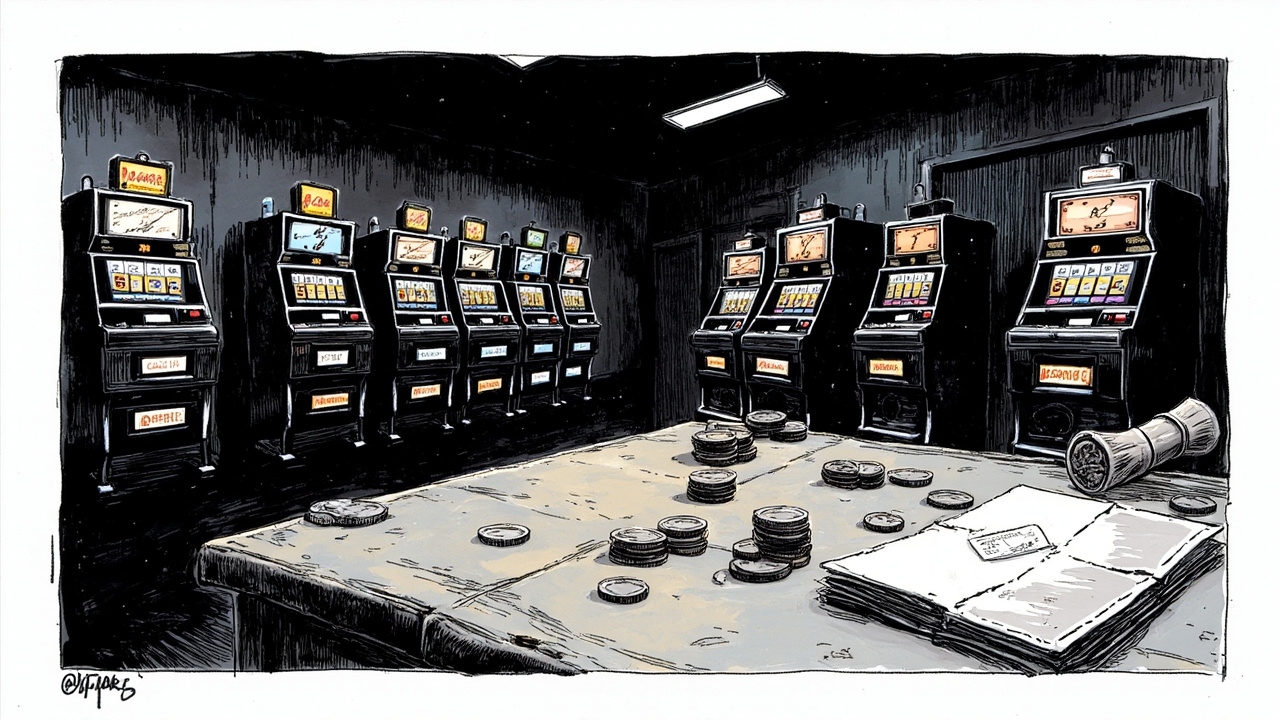
Yes, an unlicensed casino can refuse to pay winnings. That refusal may be tied to unclear terms, identity checks, suspected bonus abuse or a payment-account mismatch, but it can also simply mean the operator has no Australian regulatory accountability. Currency, deposits and withdrawals therefore matter before any real-money session begins. Australians near Cairns should treat offshore advertising as a warning, not a licence. This is especially important when comparing an ltc casino in Australia with locally regulated options. Offshore availability does not establish lawful status or reliable winnings handling.
Deposit methods might include bank cards, e-wallets or cryptocurrency, while withdrawals are often returned through the original payment route. A casino can support AUD alongside USD or EUR, yet that flexibility does not override Australian gambling rules. Jack Foster, Commercial Director, Eucalypt Digital Advisory, offers a practical caveat: “Cashier consistency matters more than a generous-looking banking menu.” In practice, players need readable limits, identity requirements and a documented payment timeline – not hopeful promises.
Payment Flows, Limits and Account Checks
A casino’s payment flow usually begins with registration and identity verification, followed by a deposit, gameplay and a withdrawal request. At some unlicensed operators, the cashier may ask for proof of address, ownership of the payment method or clarification about the source of funds. Those checks can be legitimate anti-fraud controls. The trouble starts when the casino applies them selectively, invents new conditions after a win or refuses to provide a usable explanation.
Watch for withdrawal caps, minimum transfer amounts, daily or weekly limits, and fees charged for payment intermediaries. A displayed balance is not necessarily withdrawable: promotional credit, game wagers and bonus terms may remain separate. Some casinos process e-wallet withdrawals within one to three days; others take longer or demand additional documents. None of those figures guarantees approval.
Currency conversion adds another trade-off. A player depositing in USD may receive a different AUD value at withdrawal, while cryptocurrency deposits can expose the player to network fees or volatile exchange rates. An operator might offer no account at all once a complaint arises. That is a different proposition from a licensed business with enforceable processes, although even authorised casinos can dispute suspicious activity. The key question is whether terms are disclosed before depositing and consistently applied afterwards.
Refusal, Disputes and Cashier Accountability
A refusal to pay is not automatically fraudulent. An operator could reasonably pause a withdrawal if the account holder’s name does not match the nominated payment account, verification is incomplete, or bonus wagering has not finished. However, “terms and conditions” should not be a blank cheque. Australian players should preserve the cashier history, withdrawal request, transaction references and written responses, and avoid sending further money while a dispute is unresolved.
The legal and practical remedy becomes murkier when the operator is unlicensed in Australia and difficult to identify or serve. Local regulators may be unable to intervene, while international complaints can be costly and slow. Jack Taylor, Marketing Director at Nullarbor Gaming Analytics, puts it bluntly: “A generous bonus cannot compensate for an opaque withdrawal process.” That judgement is defo worth remembering before anyone deposits.

Support quality is another signal. A credible cashier explains rejected payments, names the verification document required and gives an escalation route. Weak support repeats scripted replies, changes the stated reason or delays without a clear case reference. Compare this with a locally regulated platform, where compliance obligations and formal dispute channels provide additional structure. Offshore play may still be restricted or unlawful; it should never be described as locally licensed merely because an Australian-language site accepts AUD.
Terms worth knowing:
- Wagering requirement: The number of times bonus funds must be wagered before withdrawal.
- Withdrawal limit: The maximum amount paid within a set period.
- KYC check: Identity verification used for account and payment reviews.
- Payment mismatch: A discrepancy between account, bank or wallet ownership details.
- Dispute record: Copies of receipts, transaction IDs and written support correspondence.
Can unlicensed casinos refuse to pay winnings? Yes – and an offshore cashier may lack meaningful Australian accountability. Choose legal access first, scrutinise payment conditions before depositing, and treat generous bonuses as secondary to transparent withdrawals. No worries, take your time: a careful five-minute cashier check can prevent a much bigger arvo headache later.