Category: Tak Berkategori

on

We Are Righteous: The Origin Story Behind the Brand

A backstory that nearly every clothing brand puts forth, yet hardly any can trace it back to the specific tension that made the brand necessary at the outset. We Are Righteous grew out of a plain source of dissatisfaction: too many apparel companies were selling swagger without substance, stamping taglines on flimsy cotton and calling it culture. The people behind We Are Righteous sought something more solid — in both a physical and symbolic sense. Their goal was garments that were built to survive daily wear while carrying a name that held significance to whoever wore it. The pairing of resilience and purpose is even now the common strand running through the brand today.

The name itself — and the thinking behind it — is what distinguishes this origin story from the usual “we started in a garage” narrative. Righteous isn’t a casual word chosen because it sounded cool on a label tag. It was picked because it signals holding steady in what you believe, regardless of trend cycles or external pressure. This mindset influenced everything from the first sketches to the material-sourcing choices that came later. Understanding this backstory helps explain why the brand’s wearers talk about it differently than they describe rival labels in the space.

Where the Righteous Clothing Brand Started

The earliest version of the righteous clothing brand wasn’t a complete lineup — it was a small set of pieces designed to test whether the concept would hold up. The team mapped out ideas around a guiding principle: clothing should function as a understated declaration of identity, not a attention-grabbing stunt. Their aim was to create pieces that held their appearance in year three as they did on day one, which entailed steering away from less expensive construction methods in favor of stronger stitching and denser materials right from launch.

More than most founders acknowledge, this early rigor counted. A lot of apparel ventures kick off with a logo and a aspiration, then rush to fix quality issues after the first wave of shopper grievances. We Are Righteous took the contrary route, devoting extra time on fit testing and fabric trials before releasing anything publicly. The first drop was intentionally small, limited to a few foundational styles, yourighteous.com/t-shirts so the team could gather genuine input instead of guessing at scale. Such a feedback process became a enduring element of how the brand runs, continuing to guide choices in 2026 the same way it did at launch.

On top of that, there’s a communal thread to the backstory that’s often overlooked. The founders weren’t trying to build a brand in isolation — they wanted people who related to the “righteous” mindset to feel like they had found something built for them specifically. Those early supporters went beyond simply buying; they were regarded as partners, with their views on fit, color, and fabric weight shaping the following production run. So many long-term fans describe the brand as feeling personal rather than corporate, which stems largely from that dynamic.

The Guiding Principle Behind Righteous Apparel

At the center of every righteous apparel release is a simple test: does this piece hold up to both physical wear and the values the brand claims to represent? That two-part filter shows up in decisions about stitching density, fabric weight, and even which prints make it to production. The team has said no to plenty of designs that looked fine on paper but didn’t match the brand’s standard for longevity or message.

Here, it’s not about a brand racing after each passing trend flashing across social media. Instead, the design process leans toward pieces with staying power — shapes and palettes that won’t feel outdated within eighteen months. This stands in intentional opposition to fast fashion’s pattern of overproduction and rapid obsolescence, which regularly rolls out new “must-have” items every couple of weeks while tossing aside last month’s version almost immediately. Because the team is optimizing for a five-year wear life, not a five-week trend window, Righteous apparel takes longer to develop.

There’s also a strong commitment to transparency that is reflected in customer communication. Size guides, material makeup, and care details are laid out plainly rather than tucked away in dense legal text, because those behind the brand are convinced being upfront, not sales-driven wording, is what creates trust. The payoff has shown up in how often customers return — the brand’s core hoodie line sees repeat buyers outpacing one-time shoppers by a consistent margin, according to figures from the brand’s internal tracking, as mentioned in previous updates.

The Righteous Hoodie as a Flagship Piece

If there’s one product that defines the brand’s identity, it’s the righteous hoodie. Its ascent to flagship status happened almost unplanned — early customers kept reordering it in different colorways faster than any other product in the catalog, and the team took notice. What drives the garment’s appeal goes beyond the name emblazoned across the chest; it comes down to a fit that suits varied body types and a thickness that performs well in chillier months without turning bulky.

Manufacturing choices for the hoodie embody the label’s wider ethos. Strengthened cuffs, seams stitched twice over at high-wear points, and a textile mix chosen for being soft yet hard-wearing all trace back to that original principle: clothing should last, not just look good in a product photo. Multi-season owners often mention in their reviews that the hoodie keeps its shape and color better than comparable pieces from larger competitors, and for loyal wearers, that outweighs any amount of flashy marketing.

Among the brand’s following, the hoodie has evolved into something like a cultural signal. To wear it is to show you understand the brand’s origin story and values, beyond just admiring the design. That kind of thing is far harder to fabricate than a solid logo — it demands steady product quality across multiple release cycles, and that’s precisely what the flagship hoodie has delivered since it debuted in the catalog.

The Real Story Behind a Righteous Review

Search for a righteous review online in 2026 and a pattern emerges quickly: shoppers pay less attention to hype and more to fit, how the fabric feels, and whether the piece matches what’s described. That’s a meaningful shift from the exaggerated unboxing culture that dominates a lot of streetwear marketing. Reviewers covering We Are Righteous tend to zero in on particular details — the fit of the hoodie after several washes, the durability of the stitching, and whether sizes run true.

That level of detail in a we are righteous review reflects the brand’s genuine performance rather than just its promotional messaging. Reviews that focus on durability after repeated wear, rather than just first impressions, tend to carry more weight with prospective buyers, and that’s exactly the type of feedback this brand has built its reputation on.

Common themes across a we are righteous review also touch on customer service responsiveness and how closely the finished product matches what’s shown online. Consistency between marketing images and the delivered item is one of the most frequently praised aspects, since so many online apparel brands struggle with that exact gap. When customers say the product “looks like the photos,” that’s a meaningful signal in an industry where mismatched expectations are common.

Comparing the We Are Righteous Brand

To frame the brand’s approach, here’s a look at how its key attributes measure up against typical fast-fashion competitors within the same price tier.

Feature We Are Righteous Typical Fast-Fashion Competitor
Release cadence Seasonal drops geared toward long-term wear Weekly releases chasing trends
Material philosophy Sturdier weight with reinforced seams Lightweight, cost-minimized
Feedback process Direct customer input informs future batches Minimal, data-driven only
Flagship product Righteous hoodie, repeat-purchase favorite Ever-changing “hero” items and poor customer retention
Messaging strategy Values-driven, consistent Inconsistent messaging chasing trends

This comparison isn’t meant to dismiss competitors outright — quick-turnaround clothing systems have a purpose for shoppers prioritizing low prices over longevity. What becomes obvious, though, is why countless shoppers seeking out a righteous clothing brand stick around after trying a piece themselves. The brand’s value proposition is distinct intentionally, not coincidentally.

The Brand’s Position as of 2026

Looking ahead to 2026, We Are Righteous keeps growing its product lineup while holding onto the same founding principles that defined its earliest release. Additional color options and silhouettes have been added, but the emphasis on durable fabric and honest marketing has remained steady. Its expansion has been measured rather than rapid, which fits its philosophy of building slowly and steering clear of the overreach that topples so many clothing startups.

As a measure of how the brand is doing, customer loyalty remains the clearest signal. Season after season, the flagship hoodie holds its place as a leading seller, while repeat buyers keep anchoring sales. For anyone on the fence about trying it out, the founding story offers a useful lens: this isn’t a label chasing quick virality, but one built around a specific belief that clothing should reflect values as much as style. That distinction is exactly what continues to set righteous clothing apart in a crowded market.
on

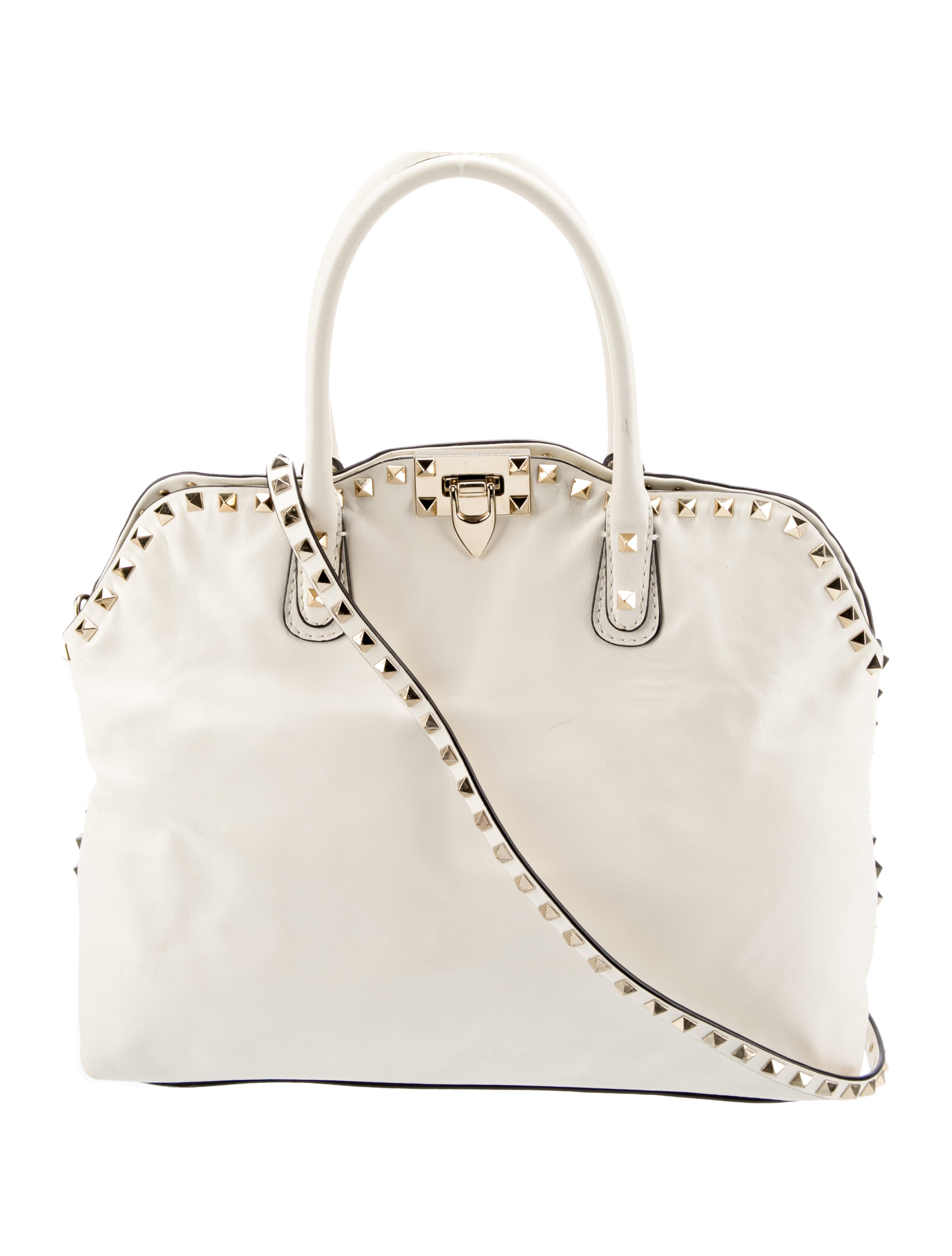
Valentino Bag Materials: Exactly Where the Premium Actually Goes

Two Valentino bags with the same name, the same silhouette and the same stud count can still be four thousand dollars apart. The variable is very nearly always material. Within a single line the house prices hide, finish and surface in clear, legible steps, and the range stops looking arbitrary as soon as those steps are legible. $1,390 in grainy calfskin or suede, $1,850 in pony-effect calfskin: the same Rockstud mini shopping bag at a 33 percent premium attributable entirely to the hide. Panthea goes further again, climbing from $3,800 in nappa and suede to $5,650 in python and $7,600 in ostrich, exactly double the base. Treat each number below as an observed 2026 market price on the brand’s own US site, not an official price list.

Grainy Calfskin: The Benchmark Everything Else Is Measured From

As reference material and sensible default alike, grainy calfskin sets the standard. No other hide in the range keeps its shape and resists scuffing as well, and it demands no routine. It sits at the foot of most ladders too: the Rockstud mini shopping bag, the accessible Valentino tote bag, starts at $1,390 in grainy calfskin, the small Valentino crossbody bag runs $1,650 to valintinobags.com/mini-bags $1,950, and the small shoulder version reaches $2,100. Grainy calfskin is the VSling entry at $3,350, and the VLogo Signature clutches at $650 to $790 use it too. Because grain conceals fingerprints, disguises minor abrasion and still photographs well after several years of use, it dominates the resale listings that look presentable. This is the material every other rung is measured against on a Valentino bag that will be carried rather than stored.

Suede and Kidskin: Texture Without the Premium

Suede matches grainy calfskin at the accessible end and sits only a little above it higher up. $1,390 buys the Rockstud mini shopping bag in suede exactly as it does in grainy calfskin, and the small Valentino shoulder bag drops in suede at $1,950 against $2,100 in grain. Small suede is $2,550 in Rockstud Spike, medium suede $2,750 to $3,200, and medium kidskin at $2,950 falls between suede and nappa. In other words, texture adds almost nothing. The bill arrives as maintenance instead: suede wants a dry brush, a protector spray and firm avoidance of rain and oils, and it will not forgive a spilled drink the way grain will. Pick either for the matte, light-absorbing look, but as a second bag rather than the one that lives in a car footwell.

Nappa: The First Step Up the Ladder

Nappa marks the first premium that the figures make plain. Small nappa is $2,800 in Rockstud Spike where small suede is $2,550, and medium nappa is $3,500 where medium suede is $2,750 to $3,200. The step is roughly ten percent at the small size, and as much as a quarter more against the cheapest medium suede. Nappa is a soft, smooth lambskin, and it is what the house reaches for when a design depends on quilting holding its geometry. Nappa underpins the Roman Stud chevron and rhombus quilting with tone-on-tone stitching, the Panthea chevron at $3,800 and the Jean medium shopping bag at $3,650. Nappa takes a mark more readily than grain and burnishes at the corners, a trait some owners like and others do not.

Laminated, Metallic and Pony-Effect: What the Surface Costs

Above plain hides and below decoration sit the surface treatments, and the Rockstud mini shopping ladder makes the arithmetic plain. The steps are $1,390 in grainy calfskin or suede, $1,490 in raffia, $1,750 in laminated calfskin and $1,850 in pony-effect calfskin, which puts lamination at a 26 percent premium and pony-effect at 33 percent. The same laminated calfskin appears on the small Rockstud crossbody at $1,790, on a Rockstud wallet at $1,250 and behind the laminated Locò with jewel logo at $3,200. DeVain opens the widest single-line spread of any surface pair, from $2,100 for a jacquard lurex small shoulder bag to $3,900 for the same silhouette in metallic mesh, an 86 percent difference. With all of these the failure point is the finish, not the leather, and that is the caution to remember. Where a plain hide merely scuffs, a laminated or metallic surface abrades, which makes these the bags that reward a dust bag and punish a crowded wardrobe rail.

Raffia, Linen, Denim and Jacquard: The Rungs That Come and Go

There are also materials here that are neither cheap nor especially durable in the conventional sense. At $1,490 in the Rockstud mini shopping bag, only $100 above grainy calfskin, raffia is unmistakably a summer object, with a short annual window. Locò offers embroidered linen at $3,100, above plain calfskin in the same line. Denim appeared on the small Roman Stud The Handle Bag at $3,550, measuring 21 by 17 by 14 centimetres with quilted argyle, antique-brass studs, a front twist-lock and a rear magnetic closure, made in Italy, though that piece was marked as a reserved product rather than orderable and Roman Stud now reads as a line drifting toward resale. Jacquard lurex sets the entry to DeVain at $2,100. What sets these prices is construction complexity and short production runs rather than the cost of the material itself.

Embroidery, Crystals and Pearls: Where the Step Is Steepest

Nothing attracts a larger premium than decoration, and nothing is less connected to function. Rockstud Spike shows medium embroidered nappa at $3,700 against $3,500 for plain medium nappa, a modest step. The full arc is clearest in Locò: calfskin small at $2,700 to $2,950, jewel logo at $3,350, embroidered at $4,700 to $5,100 and pearls with rhinestones at $5,900, more than double the base. The same curve reappears in VSling: $3,350 in grainy calfskin, $5,600 to $6,000 for a mini embroidered version and $6,550 for the mini with pearls and rhinestones. Hand-applied work measured in hours is what you are paying for, and the price follows the density of that work rather than the bag’s size — which is why the most expensive VSlings are the smallest. For practical purposes these are event pieces, since a crystal setting is a mechanical part that can loosen and a bead field cannot be spot-cleaned.

Python and Ostrich: The Top Rung

The clearest exotic ladder in the range at present is Panthea. The nappa and suede chevron version is $3,800, python is $5,650 for a 49 percent premium, ostrich is $7,600 at exactly double the base, and an embroidered version tops the line at $7,900. Scarcity and yield price exotic skins, since a single hide produces far fewer usable panels than a calf, along with the matching required to make a pattern read cleanly across a finished bag. Python has a scale pattern that must be aligned; ostrich has quill follicles whose spacing and prominence vary across the hide and are graded accordingly. Professional care is essential for both, and neither tolerates direct sun — a real limitation, not a formality. These draw a much smaller resale buyer pool than an instantly recognisable studded bag, so the motif matters more than the skin if the goal is a bag still desirable in ten years.

The Premium, in Numbers, and What to Do With It

The table puts each current line’s cheapest material against its most expensive, so the premium is visible as a percentage rather than a feeling. To make a decision, read it backwards: settle how the bag will live, then pick the rung that survives it. Grainy calfskin is the correct answer for a Valentino Garavani bag in daily carry, travel and commuting, and it happens to be the cheapest rung — a rare alignment. Nappa and suede repay their ten to twenty-five percent step in how they feel in the hand, for a bag worn a few times a month with intent. Where surfaces and decoration are involved, budget for careful storage, because abrasion and loosened settings, not structural failure, are what end those bags. A seasonal Valentino bag sale moves the sticker and never the ladder, and one storage rule covers all of it: dust bag, the supplied insert or acid-free tissue, cool, dry and never compressed.

Line Entry observed material Highest observed material Step
Rockstud mini shopping Grainy calfskin or suede at $1,390 Pony-effect calfskin at $1,850 +33%
Rockstud Spike Small suede at $2,550 Medium embroidered nappa, $3,700 +45%
DeVain Jacquard lurex shoulder at $2,100 $3,900 for the metallic mesh shoulder +86%
Locò Calfskin small at $2,700 Pearls and rhinestones, $5,900 +119%
VSling Grainy calfskin small, $3,350 Mini with pearls and rhinestones, $6,550 +96%
Panthea Nappa and suede chevron at $3,800 Ostrich $7,600; embroidered $7,900 +100% to +108%
VLogo Signature Grainy calfskin clutch at $650 $3,750 for suede or soft leather shopping +477%

on

Boardroom-Safe Streetwear: The Godspeed Shirts Collection for Laid-Back Fridays

The Friday dress-down policy has unassumingly become the most complicated dress code in today’s office environment. Lean too dressed-up, and it seems like you didn’t get the message. Too relaxed, and you risk a raised eyebrow from HR. Godspeed occupies the narrow, well-designed middle ground: streetwear roots with enough polish to survive a client meeting. As of 2026, hybrid work has taken over more offices than ever, and as a result the divide between “work clothes” and “weekend clothes” has almost completely vanished. A godspeed shirt is designed precisely for that in-between space.

Nobody’s softening streetwear into something unrecognizable — what’s happening instead is an emphasis on pieces built around pared-back shapes, thoughtful fabrics, and graphics that feel like design rather than mere decoration. Godspeed fills exactly that gap, hence the brand turns up no less in workwear contexts as in weekend rotations.

Behind the Title Godspeed: What It Stands For and Why It Carries Weight

People often ask what is Godspeed in brand terms prior to asking about the garments themselves, and the answer is tied directly to what the term actually means. Godspeed is an old expression, with roots stretching back hundreds of years, historically offered to wish a person a protected and fruitful journey. It’s a farewell loaded with hope instead of mere sentiment — practical, oriented toward what’s ahead, and touched with quiet dignity. That’s precisely the tone the brand built its core identity on.

What godspeed signifies takes shape within the garments themselves: garments made to move with you, instead of slowing you down.
Meant for a commute, a meeting, and a dinner afterward, a shirt gets you through it all without a single outfit change.
Understanding the name makes clear why adaptability, rather than flashy streetwear cliches, shapes the brand’s aesthetic—and that’s no small detail.
Motion and transition show up in every collection—precisely what a Casual Friday wardrobe needs.

Casual Street Fashion’s Fit within Corporate Spaces Broken Down for 2026

Office dress norms have changed significantly over the last five years. A 2025 workplace survey found that 68% of U.S. office employees now have some type of relaxed dress code in place year-round, not just on Fridays. Ten godspeed hoodies years earlier, the number was nearer to 40%. Streetwear labels took notice, and those that made it through the shift — Godspeed among them — did so by sharpening fit and fabric rather than dropping their design identity.

In this setting, the godspeed shirt holds up by sidestepping the two extremes — oversized boxiness and aggressive graphics — that typically make streetwear a gamble for workwear. In its place, the cuts sit closer to a contemporary regular fit, and motifs are applied with reserve — often a small chest logo or a subtle back print rather than an full-coverage design. This reserve is what allows the pieces to combine with chinos or dark denim without feeling out of place.

There’s also a practical fabric argument. Cotton-blend shirting with a bit of structure performs better through a workday that includes sitting, standing, presenting, and commuting. Streetwear historically prioritized comfort above all else; office-ready streetwear has to weigh comfort with a shirt that doesn’t crease into a mess by 3 p.m.

Assembling a Casual Friday Rotation Around Godspeed Shirts

Assuming a standard weekly laundry cycle, a workable Casual Friday wardrobe typically requires only four to five solid shirts to get through a month. Godspeed shirts work well as the anchor of that rotation because they’re built to be worn again and again without becoming monotonous — a plain front with a thoughtful collar or cuff detail reads distinctly depending on what it’s paired with.

  • Pair a godspeed shirt with tailored trousers for a meeting-dense day.
  • Wear a godspeed hoodie underneath a blazer for the chillier part of the year — the hood lies flush under most jacket collars.
  • Swap in darker washes and muted tones for customer-facing days, holding back brighter colorways for in-house Fridays.
  • Keep footwear simple — a clean low-top sneaker connects the middle ground between the streetwear-leaning top and work-suitable bottom half.

It’s worth singling out the godspeed hoodie here, since hoodies are usually the first item people assume can’t work in an office. It all comes down to proportion. A hoodie with a slightly cropped or regular (not oversized) body, worn under a structured jacket, reads as a layering piece rather than a casual loungewear look. It’s a small adjustment, but it’s the difference between “dressed down” and “dressed wrong.”

God Speed Clothing Versus Traditional Streetwear Brands

Not all streetwear translates to office settings, and it’s worth being clear-eyed about why. Traditional streetwear brands often constructed their identity around bold graphics, heavyweight oversized fits, and drop culture that favors hype over daily wearability. God speed clothing took a different route from the outset, aiming for pieces that could work across both a skate park and a Tuesday client call — or in this case, a Friday one.

Feature Traditional Streetwear Godspeed Shirts
Silhouette Roomy, boxy cut True-to-size to slightly loose
Graphics Bold, all-over prints Minimal chest or back placement
Fabric weight Heavy, drapey cotton Structured, mid-heft cotton mix
Color Range Vibrant, high-saturation tones Muted neutrals with occasional accent tones
Office suitability Minimal Strong

This isn’t a dig at classic streetwear — it has its place, with no shortage of people specifically seek that striking style. But for someone specifically shopping for Casual Friday, the distinction matters. Godspeed purposefully structured its catalog around the second column, explaining why it resurfaces often in office-wear discussions rather than just skate-and-hype circles.

Under Office Scrutiny, Style Advice That Actually Hold Up

Rarely anymore are office dress codes written down explicitly, which means most people rely on social cues instead of any rulebook. A few practical rules make godspeed shirts work reliably in that environment. First, tuck when in doubt — even a half-tuck adds enough structure to read as intentional rather than sloppy. Second, have a backup layer ready; something like a blazer, overshirt, or zip-up can quickly dress up a graphic tee or hoodie in case an impromptu meeting arises.

Third, pay attention to footwear more than anything else. Pair a godspeed shirt with dress pants and worn-out sneakers and it reads as unfinished; swap in clean leather sneakers or loafers and it suddenly looks intentional. Fourth, don’t underestimate ironing — even wrinkle-resistant cotton blends benefit from a quick five-minute steam ahead of an important presentation.

Finally, keep an eye on proportion between top and bottom. Wear a loosely cut godspeed shirt with slimmer or straight-leg trousers for the best result; loosen up top and bottom and the outfit usually drifts toward “weekend” rather than smart casual. These aren’t rigid laws, but they’re the kind of small calibrations that separate an outfit that works from one that almost works.

Maintaining Shirts Built for Weekly Rotation

A shirt worn weekly to the office gets washed roughly 45 to 50 times a year, which is substantial cumulative wear compared to an occasional weekend piece. Cotton-blend shirting holds color and shape best when washed cold and turned inside out, which protects any printed graphics from cracking prematurely. If any stretch fiber is part of the blend, avoid high heat in the dryer; air-drying or a gentle cycle far better protects both fit and printed graphics.

Ironing on a medium setting, rather than high heat, prevents scorching on cotton blends while still knocking out creases from folded storage. In the case of hoodies benefit from less frequent washing — every third or fourth wear instead of each time — preserving the fleece lining longer. Nothing here is difficult, but these are the habits that decides whether a shirt still looks good after six months versus only two.

Wrapping Up: Dressing Well for Casual Friday

A compromise between “work clothes” and “weekend clothes” is never how the finest Casual Friday looks come across — rather, they come across as one unified choice. That’s the territory that Godspeed has structured its lineup within, from the fit of a godspeed shirt sits on the body to the layering potential of a godspeed hoodie. The name of the brand itself serves as a subtle nod of what the clothing is meant to do: perform smoothly, travel easily, and endure across the shifting requirements of a single day. For anyone reshaping their Friday wardrobe in 2026, that’s a more useful starting point than running after the noisiest trend during that stretch.

on

De Laatste Softwaretrends in 10 Euro Deposit Casino Zonder Cruks Games

Als expert op het gebied van online gokken ben ik er om je te helpen bij het kiezen van de beste websites voor de laatste softwaretrends in 10 euro deposit casino zonder cruks games. Het kiezen van de juiste site kan een uitdaging zijn, vooral nu het aantal beschikbare platforms snel toeneemt. In dit artikel bespreek ik de belangrijkste kenmerken, voordelen en nadelen van verschillende casino’s, en hoe zij passen bij diverse typen spelers. Hiermee kun je een weloverwogen beslissing nemen over waar je je geld wilt inzetten.

Vergelijking van Populaire 10 Euro Deposit Casino Zonder Cruks

Er zijn verschillende 10 euro deposit casino’s zonder cruks, die variëren in software, spelselectie en gebruikerservaring. Hier zijn enkele van de meest populaire platforms:

Casino Softwareleverancier Minimale Storting Bonus Aanbod Spelselectie
Casino A NetEnt €10 100% Welkomstbonus tot €100 Slots, Tafelspellen
Casino B Microgaming €10 50% Bonus tot €50 Slots, Live Dealer
Casino C Evolution Gaming €10 Geen bonus Live Casino, Slots

Voordelen van 10 Euro Deposit Casino’s Zonder Cruks

Er zijn verschillende voordelen aan het spelen in 10 euro deposit casino’s zonder cruks. Ten eerste, de lage minimale storting maakt het toegankelijk voor spelers met een kleiner budget. Dit geeft je de kans om verschillende spellen uit te proberen zonder veel risico. Ten tweede, deze casino’s zijn vaak gereguleerd en bieden een veilige speelomgeving, wat cruciaal is voor je gemoedsrust. Ook zijn er vaak aantrekkelijke bonussen die je kunnen helpen om je speelsaldo te verhogen.

Belangrijke Criteria voor het Kiezen van een Casino

Bij het kiezen van het juiste casino zijn er verschillende belangrijke criteria om in gedachten te houden:

  1. Softwarekwaliteit: De softwareleverancier beïnvloedt de speelervaring sterk. Kies voor casino’s met gerenommeerde ontwikkelaars zoals NetEnt of Microgaming.
  2. Klantenservice: Controleer of de klantenservice beschikbaar is en hoe snel ze reageren op vragen.
  3. Spelvariëteit: Kijk naar de variëteit in spellen en of ze een goede mix van slots, tafelspellen en live dealer opties aanbieden.
  4. Betalingsmethoden: Zorg ervoor dat het casino ondersteunende betaalmethoden biedt die voor jou handig zijn.
  5. Licenties en Regelgeving: Controleer of het casino een vergunning heeft van een gerenommeerde autoriteit.

Gebruiksvriendelijkheid en Navigatie

Een ander belangrijk aspect van de laatste softwaretrends in 10 euro deposit casino zonder cruks games is de gebruiksvriendelijkheid van het platform. De beste casino’s hebben een intuïtieve interface, die het navigeren door verschillende secties vergemakkelijkt. Dit kan het proces van aanmelden, storten, en spelen gemakkelijker maken, wat vooral voordelig is voor nieuwe spelers. Bekijk de volgende punten bij het beoordelen van de gebruiksvriendelijkheid:

  • Responsief ontwerp voor mobiel en desktop.
  • Duidelijke menu’s en categorisering van spellen.
  • Snelle laadtijden en soepel spelverloop.
  • Bereikbare hulpsectie en FAQ-pagina.

Conclusie

Bij het kiezen van een 10 euro deposit casino zonder cruks is het cruciaal om rekening te houden met de laatste softwaretrends in 10 euro deposit casino zonder cruks games. Kijk naar de beschikbare softwareleveranciers, de gebruikerservaring, en de diverse spelfuncties. Of je nu een casual speler bent of een meer ervaren gokker, er is een casino dat bij je past. Door deze gids te volgen, kun je een weloverwogen keuze maken en genieten van de spannende wereld van online gokken zonder de zorgen over cruks casino zonder CRUKS.

Veelgestelde Vragen (FAQ)

  • Wat zijn de voordelen van een 10 euro deposit casino? Een 10 euro deposit casino maakt gokken toegankelijker voor spelers met een kleiner budget zonder grote financiële verplichtingen.
  • Zijn 10 euro deposit casino’s veilig? De meeste 10 euro deposit casino’s zonder cruks zijn gereguleerd en bieden veilige speelomgevingen.
  • Welke softwareleveranciers zijn het beste? Voor de beste spelervaring zijn NetEnt, Microgaming en Evolution Gaming aanbevolen.
  • Kan ik mobiele spellen spelen in deze casino’s? Ja, de meeste 10 euro deposit casino’s bieden een mobielvriendelijke site of applicatie.
  • Hoe kies ik het juiste casino? Let op factoren zoals softwarekwaliteit, klantenservice, en spelvariëteit bij het maken van je keuze.