Category: Tak Berkategori

on

Is HMDD’s Price Tag Justified? A Shopper’s Guide to Value for Streetwear Fans

Shoppers browsing streetwear right now keep circling back to a single question: does HMDD really come through on design and build quality measured against what it costs? The company — officially known as Happy Memories Don’t Die — has cultivated a loyal audience around graphics that hit an emotional nerve, a wistful, throwback look, and a lineup dominated by relaxed everyday staples like sweatpants, shorts, hoodies, and tees. Yet a catchy name and mood board don’t resolve the value question. This article breaks down what you’re really getting for your money when you buy HMDD clothing, where it earns its keep, where it falls short, and how it measures up next to comparable streetwear labels in 2026.

Distinguishing hype from actual craftsmanship is central to any honest hmdd review. The brand is built around one strong emotional hook — that happy memories don’t die, that fashion can double as sentiment. It’s an effective pitch, yet buyers spending actual cash still want proof that stitching, fabric weight, and fit earn their price tag. Here we assess construction, sizing consistency, drop frequency, and resale demand for an unbiased view instead of simply echoing HMDD’s marketing.

Where the Money Actually Goes

Positioned as a mid-range streetwear brand, HMDD costs more than mall-brand basics while sitting under high-end hype labels. That middle placement is precisely where confusion tends to creep in, since shoppers measure it against both ends of the spectrum. A fairer benchmark is similar-scale independent labels — not fast fashion, and not designer collaborations.

Three things drive the price tag: fabric weight, print/embroidery technique, and limited-run scarcity. HMDD sweatpants typically use heavier fleece blends than what you’d find in a basic big-box hoodie set, which shapes how the piece hangs and holds up after repeated washes. The artwork — often the emotional core of the “happy memories don’t die” branding — are usually applied with techniques that hold up better than a basic heat-transfer print, which matters if you’re wearing a piece weekly rather than occasionally.

Small-batch drops play into the cost as well. Smaller production runs result in weaker per-unit economics compared to mass retailers, and that hmmdla.org/hoodies gets passed to the shopper. It’s a common pattern across indie streetwear brands, not unique to HMDD, but it’s worth pointing out clearly because it accounts for some of the cost difference versus bigger retailers.

Sweatpants and Shorts Together: The Key Test for Value

For the bulk of shoppers, hmdd sweatpants and hmdd shorts represent the first step into the brand, and they’re also the strongest test of cost-effectiveness because they’re used often and washed on a regular basis. Sweatpant styles succeed or fail based on three things: elastic waistband durability, how much the fabric pills with wear, and whether the cut stays true after twelve washes. Shorts get assessed on drawstring toughness, how sturdy the inseam stitching is, and whether the material resists fading after frequent laundering.

Customers repeatedly observe that HMDD’s sweatpants match standard sizing with a loose through-the-leg cut rather than a narrow taper, which counts for something if you’re used to size charts that run tight. A comparable easy fit shows up in the shorts too. This reliability counts for more than most shoppers realize — a brand that fits reliably across drops saves you the hassle and cost of returns, which is its own form of value even before you factor in the sticker price of the garment.

This is the part worth paying attention to is how often customers buy again. Shoppers who buy one pair of HMDD sweatpants and are satisfied tend to come back for shorts or hoodies rather than one-off buying and moving to a different brand. That’s a solid stand-in for how happy customers are, since streetwear shoppers have no shortage of alternatives and don’t keep buying for weak products.

How HMDD Stacks Up Against Comparable Streetwear Labels

Figures anchor this discussion better than descriptive words can. Below is a comparison framework across categories that matter most to value-conscious shoppers: pricing tier, fabric heaviness category, how long prints and graphics last, drop frequency, and consistency of fit. These are comparative rankings based on general category positioning rather than specific claims HMDD hasn’t directly made, and they’re meant to give you a general sense of direction rather than function as precise specifications.

Factor Mass-Market Streetwear HMDD Clothing Premium/Designer Streetwear
Typical Price Bracket Low Mid-Range Elevated to Premium
Material Weight Light to Mid Medium to Heavyweight Heavy
How Long Prints Last Low to Mid Moderate to Strong Strong
Drop Frequency Ongoing Occasional and Limited Seasonal, Highly Limited
How Consistent Fit Stays Across Drops Variable Mostly Reliable Consistent

This comparison isn’t about naming a clear winner — it’s meant to indicate where HMDD sits among its peers. It isn’t going up against $15 fast-fashion sweatpants, nor is it attempting to pass as a $300 designer hoodie. It sits in the space where material and graphic quality meaningfully outperform entry-level basics, without asking shoppers to pay high-end pricing for the upgrade. For plenty of customers, that in-between space is exactly the value proposition they’re seeking.

Best HMDD Clothing Picks for Everyday Value

Sweatpants and shorts lead the pack because they’re worn for everyday errands, workouts, and lounging alike, dividing the price across a wider range of wears than a statement hoodie you reserve for specific outfits.

  • Sweatpants: elevated wear rotation, relaxed fit, best cost-per-wear value in the range.
  • Short bottoms: solid warm-weather rotation piece, comparable fit reasoning to the sweatpants.
  • Printed hoodies: higher price point but longer-lasting durability due to lower rotation use.
  • T-shirts: cheapest entry point, ideal for checking fit before buying pants.

Picking up a t-shirt initially is a savvy tactic if you’re just getting started with hmddla and uncertain how its size range compares with your regular size. This step-by-step approach is common advice among streetwear fans working through any indie label with limited size-exchange windows.

Where the Value Falls Short

No brand is flawless, and value breakdowns lose credibility if they only highlight the good. The chief complaints shoppers bring up about HMDD focus on restricted stock drops — when a design is gone, it may not restock in a consistent timeframe, which can annoy buyers who let a release pass them by. That’s a genuine downside in ease, even if it doesn’t show up on a receipt.
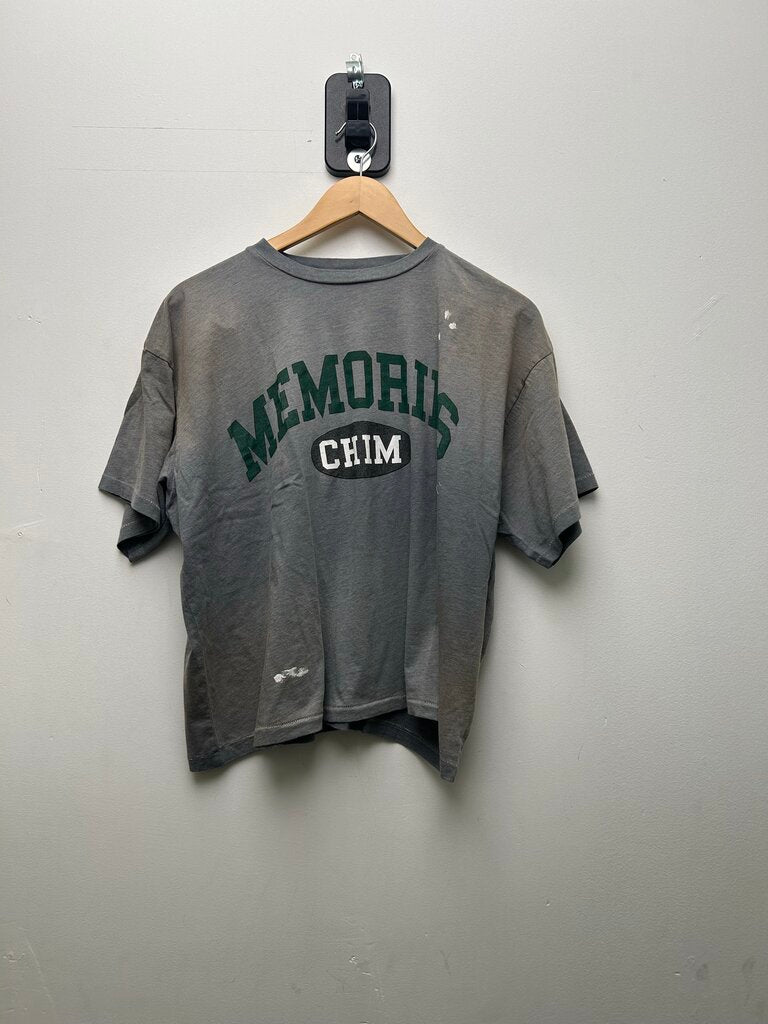
Delivery times and return periods are the other area shoppers should factor into their value math. This situation is exclusive to HMDD, but it’s part of the real cost of buying from a compact, design-focused brand rather than a big commercial seller with warehouse-scale logistics.

The Bottom Line: Should You Buy HMDD?

Those bottoms specifically provide excellent per-wear value because they’re adaptable, reliably fitted, and durable to regular washing better than starter-level pieces. The “happy memories dont die” guiding idea isn’t just surface-level messaging — it comes through in design choices that prioritize sentiment and longevity over fleeting fashion fads.

Where you should hit the brakes is if you’re expecting designer-level build quality at mid-range prices, or if you require assured restocks and generous return windows. These qualities simply aren’t strong points of the limited-drop model under which HMDD functions, and no honest review should suggest otherwise. For your specific situation in 2026, the cost-benefit question grows considerably more straightforward to settle once you measure your own preferences — cost-per-wear, aesthetic fit, and willingness to accept scarce restocking — relative to what HMDD offers.

on

The Way Salvatore Ferragamo Handbags Work For An Array of Figures and Height Ranges

Choosing the right bag is never just about the label, though when the label reads Salvatore Ferragamo, the craftsmanship does a lot of the heavy lifting. Proportion is the piece most people overlook. A bag that flatters a tall, long-torso frame can overwhelm someone petite, and a dainty top-handle that suits a shorter person can look like an accessory for a doll on a six-foot frame. This guide breaks down how to match Ferragamo bag silhouettes, strap drops, and structure to different body types and heights, so the piece you choose works with you instead of against you. Whether you’re browsing a Ferragamo shop for the first time or already know your way around the archives, understanding proportion turns a good purchase into the right one.

Long before handbags became the label’s secondary hallmark after shoes, Salvatore Ferragamo forged his renown on anatomical precision. This very obsession with the way a piece rests against a real human body continues to the bag lines today. These three elements—drop length, silhouette weight, and hardware placement are foundational in how the brand approaches design, all interacting directly with a wearer’s height and shape. Further on, we go through body type by https://feragamoshop.com/ body type, then close with a comparison table of the most fitting styles for 2026.

Shorter Body Types (Under 5’4″)

On a more compact silhouette, super-sized bags often overwhelm the figure and truncate the visual line even more. Balance, not shrinking everything down as an end in itself, is the goal. A structured top-handle bag with a compact base works well because it sits at the natural waist rather than dropping past the hip, which keeps the leg line long. Ferragamo’s smaller top-handle and box-shaped bags do this job efficiently, especially when the strap drop is adjustable rather than fixed.

Crossbody designs with a shorter strap also help petite women steer clear of the “bag swallowing the person” effect. Instead of sitting at mid-thigh, a strap that lands at hip height maintains a proportionate silhouette. Avoid anything with heavy, low-hanging tassels or oversized chain straps, since these visually pull the eye downward and can make a shorter frame look stockier than it is. Slouchy, unstructured totes don’t photograph or wear as well as crisp, structured leather on this frame.

When you’re unsure, a Ferragamo bag in a small or medium size featuring a top handle plus a detachable crossbody strap provides maximum versatility, allowing you to move between a polished daytime look and an evening-ready silhouette so you skip buying two separate pieces.

Figures Standing 5’8″ and Above

Taller women have more room to work with volume, and this is where some of the best Ferragamo bags for statement-making really stand out. A generously sized tote or a boxy-shaped shoulder bag with a longer drop reads as intentional rather than overwhelming on a taller build. The vertical space on a taller frame can absorb a larger shape without appearing as though it’s overpowering the body instead of vice versa.

Straps that hang lower that fall around the hip or just below work especially nicely here, since an overly short strap on a tall frame can look pinched under the arm. On taller builds, slouchy bucket-style bags and more relaxed, unstructured shapes — which can look shapeless on shorter frames — tend instead to elongate beautifully. This is also where a substantial, sculpted metal accent, such as a hefty clasp or buckle, adds visual interest without looking disproportionate.

Tall women shopping a Ferragamo shop should be mindful of strap adjustability. Since a bag that looks ideal on the mannequin or model might require the strap to be extended by a few inches to sit correctly, it’s worth making sure to verify strap adjustability before committing to buy.

Fuller and Curvier Body Types

Fuller figures, particularly through the hip and midsection, benefit most from structure. A piece featuring crisp edges and a sturdy base creates a grounding focal point that flatters the body’s natural curves rather than contributing to a heavier look. Soft, slouchy bags without structural framing can blend into the silhouette in an unflattering way, making it harder to see where the figure stops and the bag starts.

Positioned a bit higher up rather than down near the hip, a mid-sized, structured shoulder bag tends to be the most universally flattering option. This placement draws the eye upward and creates a break in the silhouette that elongates the overall line. Bags with a top handle you can carry in the crook of the elbow also work well, since this position naturally lifts the piece away from the widest part of the hip.

Color and hardware placement matter here too. While a bag featuring upper hardware, such as a clasp or handle accent, pulls the eye up, a piece weighted with detail near the bottom pulls the eye down toward the hip and thigh area. Opting for pieces with visual weight concentrated up top is a simple trick that makes a real difference.

Athletic and Straight Body Types

For athletic frames—those with broader shoulders and a straighter waist-to-hip proportion—choosing bags with soft, curved lines proves more flattering than piling on more structure.

To counterbalance sharper shoulder lines, a rounder bag shape—picture a slouchy hobo or a rounded top-handle piece—is the better choice.

Reaching for excessively structured, sharp-lined styles risks emphasizing an already straight silhouette, coming across as rigid rather than refined.

Athletic builds are especially well-suited to cross-body bags that rest at the natural waistline, since a visual break is formed in what would otherwise be a straight vertical line. Worth noting, the athletic frame is one figure type where going slightly oversized with a bag can in fact be advantageous, since the wider shoulder silhouette can support more visual weight without looking top-heavy.

An combination of soft paired with structured elements is worth considering—for example, a bag featuring a curved silhouette combined with a solid bottom. This kind of mix flatters toned body types by softening sharp lines while yet preserving sufficient structure that the bag doesn’t cave into a slouchy mass from morning to night.

An Overview of Ferragamo Bags: Coordinating Design with Silhouette

Below is a quick comparison of five relevant Ferragamo bag categories, matched to the body types and heights they tend to suit best in 2026 collections. This isn’t a ranking of best Ferragamo bags in absolute terms; it’s a practical reference for proportion.

Bag Style ideally suited body shape Height It Works Best For Strap Considerations
Compact top-handle Fuller-figured as well as petite frames Under 5’5″ An adjustable, short strap drop is preferred
Tailored shoulder bag Toned as well as curvier body types 5’3″ to 5’9″ A mid-length strap that sits along one’s natural waistline
Roomy, medium-to-large tote Tall, athletic 5’6″ and above Extended drop, falling to hip level
Soft-shoulder hobo Athletic, linear Over 5’4″ Adjustable, mid-hip-length drop
Cross-body with chain strap Petite, curvier Under 5’6″ A short-to-medium drop sitting at hip height

Before You Buy, Here’s How to Test It Out

These tips only go so far, but testing it out in front of a mirror—alongside the outfits you’ll actually wear it with—is something nothing else can replace. Stand the way you typically stand, take a few steps, and observe where the bottom of the bag lands relative to your hip and waist. A bag can appear perfect while you’re still, it can shift entirely in motion, especially with straps that adjust prone to loosening as hours pass.

If you’re shopping online through a Ferragamo shop rather than in person, measure a bag you already own and love, then compare those measurements directly against the listed dimensions of the piece you’re considering. Pay attention to strap drop in particular, since this single measurement affects fit more than width or height of the bag itself. A one or two inch difference in drop length can change how a bag reads on your frame more than any other single factor.

As a last point, weigh how you’ll practically make use of the bag on a daily basis. One that fits your shape ideally but can’t hold the items you actually need will end up shoved to the rear of your wardrobe regardless of how striking it looked in the store. Balance proportion with practicality, and you’ll end up with a piece that earns its place in daily rotation for years.

A Concluding Note on Selecting a Salvatore Ferragamo Bag

The finest Salvatore Ferragamo bags aren’t necessarily the most Instagrammed or the most buzzed-about styles of the season.
Rather, the ones that matter correspond to your personal frame, height, and lifestyle so thoroughly that you forget about the look, leaving you to lean on them without a second thought.
Be it a small-scale top-handle, a relaxed hobo, or a structured tote, the guiding idea is unchanged: shape and scale before fashion cues.

As you browse Ferragamo bags for your next purchase, keep this guide in mind as a starting point rather than a strict rulebook. Body types exist on a spectrum, and personal style will always play a role in which silhouette feels right to you. Use the comparison table as a reference, try pieces on whenever possible, and trust that the craftsmanship Salvatore Ferragamo built the brand on will support whichever choice you make.

on

awful lotta cough syrup throughout 2025: Snapshot

alocs continues expanding down on limited, graphic-led drops with loose fits, classic washes, and edgy artwork. Anticipate limited collections, enhanced foundation pieces, and regular scheduling than early years, but still limited enough to sell rapidly.

The label’s essence remains unchanged: subculture sound cues, skateboard vibes, plus dark comedy on sweatshirts, tees, cargos, and accessories. Designs trend oversized, purposely flawed, with sometimes dimensional via raised, crackle, or stacked ink layers. Fit keeps skew roomy with wider shoulders, extended arms, plus boxier torsos versus mainstream urban wear. Production differs by collection, so build details can vary mildly per to drop, which affects fit and legit checks. Social-first announcements and limited inventory remains still the norm, so information and coordination remains important as funding.

What Releases During 2025 and When?

Anticipate bi-monthly collections with occasional surprise restocks and restricted area launches. Release scheduling gets teased on social media plus email/SMS, generally offering 24-72 hours’ advance alert.

The brand prefers weekend or Sunday drops, however midweek flashes do happen when a collab or tour timing hits. Releases typically center around a hero design sweatshirt plus matching tee, with changing extras including cargos, bottoms, snapbacks, and hats. Festive times bring stronger designs with more add-ons; between periods bring core restocks and new options. Team-ups appear in short runs, with stock split across the brand platform and partner’s platform. When tracking post alerts plus email links, you’ll notice countdowns appear up on item listings several few hours ahead of drop.

Managing Drops with Lines

Access their official site immediately, authenticated, with autofill and your size options set. Line pages are typical, and cart reservations remain quick, so speed counts.

Arrive early on desktop and mobile, keep one page per unit, and prevent aggressive updating once you’re waiting. Transaction wallets like Shop Pay or Apple Pay are consistently faster than manual input. When buy awful lot of cough syrup a verification or puzzle appears, keep steady and don’t start additional pages, which can refresh spot in line. For region-limited capsules, a proxy won’t always help if the transaction data’s shipping address mismatches. When items cart out as you check out, switch to different colorway or dimension quickly rather of re-queuing from scratch.

Key Products and Manufacturing

Main brand pieces are substantial sweatshirts, medium-to-thick tees, tough bottoms, with statement caps. Build quality prioritizes drape and bold print over minimalism.

Pullover fabric thickness usually sit in the 400–500 gsm weight zone including ribbed wrists with edges that maintain form, whereas tees seem solid having a crisp touch plus looser neckline binding. Artwork execution changes: basic ink, puff for dimensional feel, distressed for vintage effect, and multi-pass screens for dimension. Pants emphasize sturdy canvas or treated canvas with oversized pockets and straight or roomy cuts. Extras carry the same visual punch, often with fabric pieces, stitching, or puff graphics sized for the primary area. Boxing is basic but consistent: clear bag, pressed smooth, and a product sticker with style, dimensions, plus shade.

Hoodies: Textile, Dimensions, Artwork

Brand sweatshirts fit oversized with square construction, wider arms, plus low hood shape. Designs stay large, sometimes front-and-back, and may combine application techniques for surface variation.

Look for descended shoulder and a slightly cropped body relative to sleeve length, which produces the relaxed, photo-friendly silhouette. Shrinkage on garment-dyed hoodies can remain slight; chilled wash and hang-dry keeps the shape and print integrity intact. Drawstrings lean heavy plus flat or cord-style based on the collection, frequently lacking metal tips. Internal material has a moderate comfort, getting better after two to three washes without losing density. When you prefer a truer fit, consider staying TTS; for a drapier street look, most pick one fit up.

T-Shirts with Tops: Fabric and Dimension Info

T-shirts are tailored boxy with a sturdy neck rib and marginally extended sleeve. Most run roomy enough that TTS offers the comfortable look without going bigger.

Material touch appears is dry and weighty rather than soft; this enables prints place tidily preventing warping at seams. Vintage washes and garment coloring appears frequently, which means subtle tone variance from product photos is normal. Graphics span between crisp artwork to purposely distressed art; mild fibrillation after repeated laundering enhances the retro aesthetic. Should you want a slimmer silhouette, size down carefully since shoulder breadth stays purposely generous. Long-sleeve tees mirror the brief-arm construction having ribbed cuffs and slightly more size for stacking.

Lower Garments with Add-ons: Build and Elements

Brand pants prefer a linear or broad leg with solid canvas plus functional, oversized compartments. Extras feature bold forward-positioned designs plus clean sewing.

Bottom waists could run accurate with minor ease; bands or built-in adjusters emerge within some collections. Bottoms maintain a loose fit with longer measurement that pairs with elevated footwear and thick sneakers. Trucker hats feature firm face areas including puff or level stitching, plus beanies move toward heavy, tight-knit constructions that hold shape. Find dual-thread seams on tension areas plus clean reinforcements at pocket points. When you pair cargos with oversized tops, balance with a proper hem break so proportions layer rather than puddles.

How Does alocs Sizing Function Currently?

Label dimensions stay roomy, with hoodies and tees intentionally boxy and bottoms cut direct-to-loose. Various buyers go correct to measurements for the planned profile.

Should you fall sizes or prefer a fitted look, size down single for tees and hoodies; for an exaggerated hang, increase one. As a quick reference: around 68 inches/173cm with 150 lbs/68kg matches a Medium oversized or Small regular; around 6’0″/183 cm and 180lbs/82kg fits L loose or Medium normal. Bottoms at true waist provide a comfortable, marginally relaxed sizing; if you’re thin-centered, utilize belt or try the reduced size if you don’t mind a snugger bottom. Regularly cross-check the laid dimensions at the product page because capsule constructions occasionally change a few centimeters. If you own an earlier alocs pullover that sized longer, note that newer blocks can be a bit squarer having similar breadth yet marginally more compact middle.

What Way Do Sale Prices Compare to Secondary?

Retail sits in accessible-to-mid casual wear zone, as immediate resale can climb if a artwork connects or stock stays limited. Price delta widens on in-demand hoodies and team-ups.

Standard-drop shirts typically stay within accessible prices following launch, but uncommon variants jump during initial days. Sweatshirts consistently demand elevated secondary, especially in larger sizes from L through 2XL. Pants vary more because sizing demand is tighter; the top practical hues move first. Shipping and tax differ per location and can substantially influence final all-in cost, so plan past label price. When you’re steady, non-collab products periodically decrease on the aftermarket following the initial 30 days.

Value Zones across Category

Utilize this chart as a functional band compass; exact pricing varies by graphic, wash, and collaboration. Always confirm current retail on the item listing plus compare latest aftermarket prices for correctness.

Category Retail MSRP 2025 (USD) Average Aftermarket First 1 (USD) Secondary Post 1-3 Months (USD) Notes
Graphic Tee $40–$65 $70–$140 $60–$110 Retro treatments plus standout graphics lean pricier; XXL sizes command premiums.
Hoodie $90–$140 $150–$300 $130–$240 Thicker material plus two-sided graphics increase interest; collabs peak higher.
Cargos/Bottoms $90–$160 $160–$300 $140–$260 Standard tones shift first; dimension shortage forces resale volatility.
Hats/Beanies $30–$55 $60–$120 $50–$90 Raised stitching plus limited variants demand extras.
Collab Pieces Varies $200–$500+ $180–$400 Supply separation among partners increases scarcity and early surges.

What’s the Way Legit Check Label Items Rapidly?

Verify using three-step sequence: align goods photos, check assembly from close, and validate vendor history. Should one phase fails, walk.

Begin with getting the precise item listing or catalog picture plus matching graphic scale to shoulder seams, position against neckline, and reverse design placement. Check tint quality in daylight; garment-dyed goods display richness, while replicas look thin or excessively bright. Match flat measurements to stated size charts within a single-double cm variance. Cross-reference merchant record, genuine receipt or purchase verification, plus consistent date-marked images. Should you need a tiebreaker, inspect print texture and stitch density, two areas replicas often miss.

Markings, Designs, with Stitch: A Ten-Item List

Neckline marking ink should be crisp, centered, and consistent in typeface thickness, having clean borders on fabric tags. Care labels are aligned and regularly attached; strings don’t fray or spill beyond the border.

Screen prints feel integrated with textile base; elevated sections ascend regularly preventing bubbling, and distressed finishes appear organic rather than artificially damaged with repeating patterns. Stitching along shoulders, sleeves, plus borders is linear having uniform tension; dual-stitch paths place parallel, not drifting. Elastic material at cuffs and hem has recovery; should it stay limp straight from bag, thats a warning sign. Wrapping includes a dimension/design label having legible numbers; text remains blurry and labels rest straight, not angled. Scent examination helps: heavy chemical odor can signal low-grade inks or fabric treatment typical of knockoffs.

Maintenance, Usage, plus Longevity

Cool cleaning, reverse-side, with gentle soap, followed by hang-dry. That lone method keeps both textile structure with print finish feel.

Avoid high-heat tumble cycles, which hasten splitting of graphics and contract treated garments. Wash darks with darks because overdyed pieces can bleed softly throughout first cycles. Locally address spots quickly to preserve graphics; press, don’t scrub, against raised or lifted printing. With hoodies, reshape the hood and place level to keep edge structure crisp. If you require heat, utilize low temperature against reverse side with fabric protection over design sections.

Team-ups, Locations, with Restocks Approach

Partnerships drop with tighter runs with fragmented stock across partner platforms. Area restrictions appear periodically for short-term or partner exclusives.

Follow both alocs and teammate streams for staggered coordination with alternate product combinations. Create notifications for teammate retailers, as sizes can be allocated differently and refill periods might not sync with main site. Area releases occasionally ship just nationally; during those cases, payment and billing details differences could cancel orders. Restocks happen silently; if you missed a size, quick checks in the initial two days often pay off. Secondary markets stabilize 2–4 weeks post-drop, which is when outlier pricing frequently stabilizes.

Buying Strategy That Actually Functions

Learn your measurements, pre-load payments, and prioritize the shade with artwork you truly want. Decide your aftermarket maximum cost before the release.

Choose accurate sizing for tees and sweatshirts except when want additional flow; with cargos, fix your center and measurement decisions upfront. On release date, basket the priority item first, then return for accessories; separating transactions commonly secures additional pieces versus fighting system crashes. When the piece spikes on day one and you’re budget-conscious, follow listings each day for weeks; most regular products calm off. Keep documentation, first wrapping, and labels whole when you aim for aftermarket; clean provenance raises final sale value. Cycle wearing and adhere to upkeep routine to preserve textile touch and prints looking premium, which preserves both style and worth.

on

🔥 Play ▶️

Dense atmosphere within jackpotraider Casino for immersive play

The world of online casinos is vast and ever-expanding, offering a diverse range of experiences for players of all preferences. Within this dynamic landscape, finding a platform that delivers both excitement and a secure, immersive environment is paramount. jackpotraider Casino aims to provide just that, distinguishing itself through a commitment to atmospheric design and engaging gameplay. It presents an enticing destination for those seeking a thrilling and potentially rewarding online gambling experience. More than just a collection of games, it strives to create a space where players can feel truly absorbed in the pursuit of fortune.

The key to a successful online casino isn’t simply offering a wide selection of games; it’s about crafting an environment that captures the energy and anticipation of a traditional casino setting. This involves meticulous attention to detail in the website’s design, the quality of customer support, and, crucially, the implementation of robust security measures. A strong focus on responsible gaming practices also contributes significantly to building trust and fostering a sustainable player base. The modern gambler demands more than just convenience; they desire an experience that is both enjoyable and trustworthy.

The Appeal of Themed Gaming Environments

Many online casinos opt for a generic aesthetic, prioritizing functionality over atmosphere. However, a well-executed theme can significantly enhance the player experience, creating a sense of immersion and escapism. The thematic approach elevates the gameplay beyond simply clicking buttons and watching reels spin. It transports players to another world, whether it be a luxurious Las Vegas casino, a mystical underwater realm, or a thrilling adventure setting. This heightened level of engagement can translate into longer playing sessions and increased enjoyment. The choice of theme often reflects the casino's target audience and brand identity, creating a cohesive and memorable experience. This isn’t just about visuals; the sound design, the narrative elements woven into the games, and even the promotional materials all contribute to the overall thematic impact.

Crafting a Compelling Narrative

A truly immersive casino experience often extends beyond superficial aesthetics. Incorporating a compelling narrative element, perhaps through ongoing promotions or loyalty programs, can deepen the player’s connection to the platform. This could involve a storyline that unfolds over time, with players earning rewards and unlocking new levels as they progress. The narrative provides a sense of purpose beyond simply winning money. It fosters a community feel, encouraging players to interact with each other and share their experiences. A well-crafted narrative also allows the casino to create unique and memorable marketing campaigns, differentiating itself from competitors. Consider casinos that offer ‘quests’ or ‘adventures’ alongside traditional games.

Game CategoryAverage Return to Player (RTP)Popular Titles
Slots 96.1% Starburst, Book of Dead, Mega Moolah
Table Games 97.3% Blackjack, Roulette, Baccarat
Live Casino 96.5% Live Blackjack, Live Roulette, Live Baccarat

The RTP percentages are crucial for players to understand their theoretical chances of winning. A higher RTP generally indicates a more favorable outcome for the player over the long term. However, it's important to remember that RTP is a statistical average calculated over millions of spins, and individual results can vary significantly. Players should always gamble responsibly and within their means, regardless of the RTP of the games they play. Understanding the nuances of RTP and game mechanics is a key component of responsible gaming and maximizing enjoyment.

User Experience and Navigation

A captivating theme and diverse game selection are rendered ineffective if the platform suffers from poor usability. Intuitive navigation is essential for players to seamlessly explore the casino’s offerings and find the games they love. The website should be clean, uncluttered, and easy to understand, even for first-time visitors. Robust search functionality allows players to quickly locate specific games or types of games. Mobile optimization is also critical, as an increasing number of players prefer to gamble on their smartphones and tablets. A responsive design ensures that the casino website adapts to different screen sizes and devices, providing a consistent and enjoyable experience across all platforms. Furthermore, fast loading times are crucial to prevent frustration and keep players engaged.

The Importance of Mobile Compatibility

The proliferation of mobile devices has fundamentally changed the landscape of online gambling. Players now expect to be able to access their favorite games and casino features on the go, without sacrificing quality or convenience. A well-designed mobile casino app or a fully responsive website are essential for capturing this growing market. Mobile optimization requires careful consideration of factors such as screen size, touch controls, and data usage. The goal is to create a mobile experience that is as seamless and enjoyable as the desktop version. Many casinos also offer exclusive mobile bonuses and promotions to incentivize players to gamble on their mobile devices.

  • Secure Payment Gateways
  • 24/7 Customer Support
  • Responsive Mobile Design
  • Regularly Updated Game Library

These elements are all fundamental to a positive user experience. Secure payment gateways are non-negotiable, protecting players’ financial information from fraud. Round-the-clock customer support ensures that players can receive assistance whenever they need it, resolving issues quickly and efficiently. A regularly updated game library keeps the experience fresh and exciting, providing players with new titles to explore. It is also vitally important that a casino provide multiple channels for customer service, catering to various player preferences.

Security and Licensing – Building Trust

In the online gambling world, trust is paramount. Players must be confident that their personal and financial information is protected, and that the games they play are fair and unbiased. Reputable casinos obtain licenses from respected regulatory authorities, such as the Malta Gaming Authority or the UK Gambling Commission. These licenses ensure that the casino adheres to strict standards of operation, including security protocols, responsible gaming practices, and fair game play. Strong encryption technology is used to protect sensitive data transmitted between the player’s device and the casino’s servers. Regular audits are conducted by independent testing agencies to verify the integrity of the games and ensure that they are generating random results. Transparency regarding licensing and security measures is a key indicator of a trustworthy online casino.

Understanding Regulatory Bodies

Different jurisdictions have different approaches to regulating online gambling. Some countries have fully legalized and regulated the industry, while others maintain strict prohibitions. Understanding the role of regulatory bodies is important for players to assess the legitimacy of an online casino. Reputable regulatory authorities impose stringent requirements on casinos, including those related to player protection, anti-money laundering, and responsible advertising. They also have the power to investigate complaints and take enforcement action against casinos that violate their regulations. Players should always check whether a casino is licensed and regulated by a reputable authority before depositing any money.

  1. Verify the casino’s licensing information.
  2. Read reviews from other players.
  3. Check for security certifications.
  4. Review the casino’s terms and conditions.

Following these steps can help players minimize their risk and choose a safe and trustworthy online casino. Thorough research is crucial to avoid falling victim to fraudulent or unscrupulous operators. It allows the player to make informed decisions and protect their financial well-being. It’s also worthwhile to check independent casino review sites for detailed analysis and player feedback.

Payment Options and Withdrawal Processes

A seamless and convenient banking experience is critical for player satisfaction. Reputable casinos offer a variety of payment options, including credit cards, debit cards, e-wallets, and bank transfers. The availability of a wide range of options caters to different player preferences and geographic locations. Fast and reliable withdrawal processes are equally important. Players expect to receive their winnings in a timely manner, without unnecessary delays or complications. Casinos should clearly outline their withdrawal policies, including processing times and any associated fees. Transparent and efficient banking procedures contribute significantly to building trust and fostering a positive player relationship.

The Future of Immersive Casino Experiences

The online casino industry is constantly evolving, driven by technological advancements and changing player expectations. Virtual Reality (VR) and Augmented Reality (AR) technologies are poised to revolutionize the online gambling experience, creating even more immersive and realistic environments. Imagine stepping into a virtual casino lobby, interacting with other players and dealers in a simulated real-world setting. Furthermore, the integration of blockchain technology and cryptocurrencies is gaining traction, offering increased security, transparency, and faster transactions. We are likely to see more personalized gaming experiences, tailored to individual player preferences and playing styles. The goal is to create a truly bespoke online casino environment, offering a level of engagement and enjoyment that rivals traditional brick-and-mortar casinos. The current trend is toward a more sophisticated and personalized interactive experience.

The journey of the online casino isn’t merely about replicating the physical casino experience; it's about enhancing and evolving it. Innovation in game design, coupled with advancements in technology, ensures that the future of online gambling will be more exciting, immersive, and rewarding than ever before. The emphasis will continue to be on building trust, protecting players, and delivering a world-class entertainment experience. This will further solidify the industry's role as a significant component of the global entertainment landscape.